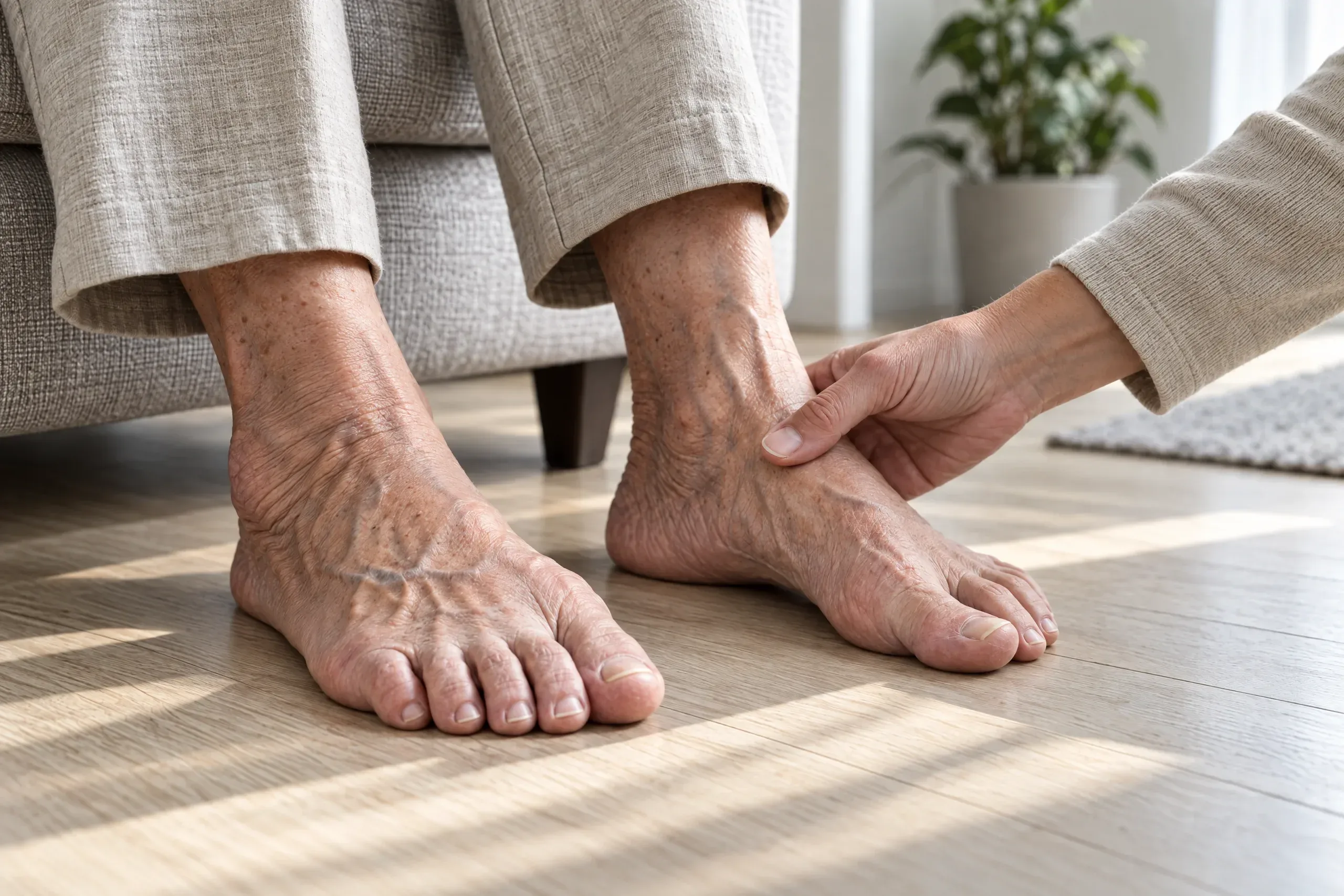
The Mind-Body Connection: Why Lasting Wellness Begins with How Your Body Moves
How you move shapes how you feel, and how you feel shapes how you move. Here is the honest physiology behind the mind-body connection, what the research on activity and mood really shows, and where non-surgical care fits.
If you are having thoughts of suicide or self-harm, or you are in immediate distress, call or text 988 to reach the Suicide and Crisis Lifeline, or go to your nearest emergency room. Movement and physical care are valuable, but they are never a substitute for urgent mental health help.
The mind-body connection describes the two-way relationship between how your body moves and how you think, feel and recover. Restricted movement, persistent pain and poor sleep can wear on mood and confidence, while stress and low mood can increase muscle tension and change movement patterns. At Camarillo Spine & Nerve Institute in Camarillo, CA, care is built around that interaction: the spine, nervous system, muscles and joints form one integrated network, and lasting health depends on how those systems work together rather than on any single part.
Why We Stopped Treating Body Parts in Isolation
When people think about healthcare, they often separate the body into individual parts. A sore back feels like a back problem. Headaches feel like a head problem. Pelvic floor dysfunction seems unrelated to posture or core strength. In reality, the body is far more interconnected than that framing allows.
Our approach is built around a simple principle: lasting health depends on how the body's systems work together. The spine, nervous system, muscles and joints form an integrated network that influences how we move, recover and experience daily life.
The Spine Is the Body's Communication Highway
Your brain constantly exchanges information with the rest of your body through the nervous system. These signals travel through the spinal cord before reaching muscles, joints and organs, coordinating everything from balance and posture to movement and sensation. The spinal column protects that pathway and, through the joints and muscles attached to it, also generates a constant stream of positional feedback that the brain uses to know where you are in space.
When movement becomes restricted or muscles stop working efficiently, the body adapts. Sometimes those adaptations are subtle. Over months or years, however, they can contribute to chronic discomfort, stiffness, reduced mobility or changes in the way you move.
It is worth being precise about what that claim does and does not mean. The spine carries and protects neural traffic, and joint restriction and muscular imbalance can affect comfort, mechanics and the quality of that positional feedback. It does not follow that spinal care treats mood, mental illness or organ disease, and we make no such claim. The honest version of the mind-body connection is a relationship between function, comfort, activity and wellbeing, not a claim that adjusting a joint treats depression.
How Pain Changes the Nervous System
Research has shown that chronic musculoskeletal pain is influenced not only by physical tissues but also by the complex interaction between the nervous system, movement patterns, stress and overall health. Treating symptoms alone often fails to address the broader picture.
One of the better established mechanisms is central sensitization, described in an influential review by Woolf in the journal Pain. With sustained input, pain-processing pathways can become more responsive, so the same stimulus registers as more painful and sensitivity can spread beyond the original site. That is a physiological change, not a psychological weakness, and it helps explain why pain sometimes persists after tissue has healed and why a purely structural explanation can fall short.
This is also why we treat sleep, activity and stress as part of a musculoskeletal plan rather than as lifestyle advice tacked on at the end.
Movement Shapes More Than Physical Health
Physical movement influences far more than muscle strength. Regular movement has been associated with improved mood, reduced stress, better sleep quality, enhanced cognitive function and healthier aging. Likewise, chronic pain can affect confidence, activity levels, mental wellbeing and overall quality of life.
The evidence on activity and mood is unusually consistent. A systematic review and meta-analysis of physical activity and depression risk published in JAMA Psychiatry pooled prospective cohort data and found that adults meeting modest activity levels had a lower risk of developing depression than inactive adults, with much of the apparent benefit appearing at relatively low doses of activity. These are observational findings, so they show association rather than proof of cause, and they describe population risk rather than individual outcomes. Still, the direction of travel is clear enough to be worth acting on.
The relationship works both ways. Stress can increase muscular tension. Pain can change movement patterns. Reduced movement can weaken the muscles responsible for supporting the spine, making everyday activities feel increasingly difficult. Rather than viewing these as separate issues, we consider how each influences the others.
Why Our Care Extends Beyond Pain Relief
Patients often arrive seeking relief from a specific problem: neck pain, sciatica, neuropathy, pelvic floor dysfunction or chronic back pain. Those symptoms matter. But they are rarely viewed in isolation.
Our goal is to understand why the body has begun compensating in the first place, then build a treatment plan that improves function rather than temporary comfort. Depending on each patient's needs, that may include chiropractic adjustments in Camarillo, CA using the Gonstead Method, decompression therapy, functional rehabilitation, or wellness technologies such as core strengthening with Emsculpt Neo to build the muscles that support posture, stability and long-term mobility. For patients whose main complaint is postural strain and poor posture, the plan usually combines hands-on care with strength work, because correcting position without building the capacity to hold it rarely lasts.
Every recommendation is intended to help patients move more efficiently and confidently, not simply feel better for a few days.
Who Is and Is Not a Candidate
Non-surgical care suits many people, and some presentations need a different kind of attention first. We screen for that at the evaluation, and we refer rather than treat when the findings call for it.
- Sudden loss of bladder or bowel control, saddle numbness or rapidly progressing weakness needs emergency assessment, not an appointment
- Suspected fracture, significant recent trauma or known severe osteoporosis changes what is appropriate
- Unexplained weight loss, fever or a history of cancer warrants medical workup before manual care
- Active infection, inflammatory arthritis flares and certain bleeding disorders or blood-thinning regimens require caution
- Pregnancy is not an exclusion from care, but it changes technique selection and some technologies are avoided
Where a plan includes EXOMIND, a separate screen applies, because TMS generates a magnetic field close to the head. It is avoided in people with ferromagnetic metal or an implanted electronic device in or near the head, including cochlear implants, deep brain stimulators and aneurysm clips, and a personal or family history of seizures or a current pregnancy warrants caution or exclusion.
What a First Visit Involves
The first appointment is an evaluation rather than a treatment. Dr. Edmond Dooman, DC takes a history, asks how long symptoms have been present and what has already been tried, and examines how you actually move: posture, range of motion, joint mechanics, muscle function and, where relevant, neurological testing.
The output is a plan and a straight answer about what to expect from it. Treatment sessions are usually short and involve no downtime, and hands-on care may be combined with rehabilitation exercises you continue at home. Most patients see pain relief and improved core stability within a few weeks of beginning treatment, which is a typical pattern rather than a promise, and progress is reviewed as you go rather than assumed.
Where Mental Health Care Fits
Because this article is about the connection between physical function and wellbeing, one boundary needs stating clearly. Camarillo Spine & Nerve Institute is not a mental health provider. We do not diagnose psychiatric conditions and we do not prescribe psychiatric medication, and we do not claim that spinal care, movement or strength work treats mental illness.
Where mental wellness is part of the picture, our TMS therapy with Exomind is delivered under appropriate professional oversight after a consultation, and it complements psychiatric care, psychotherapy and prescribed medication rather than replacing any of them. Nobody should stop, reduce or change a prescribed medication because they feel better after starting physical care or brain stimulation. That decision belongs to the clinician who wrote the prescription. If mood is a significant part of what you are dealing with, our page on depression and anxiety explains where our care fits, and the NIMH guidance on caring for your mental health is a sound neutral reference to read alongside it.
Building Health From the Inside Out
Health is rarely defined by the absence of pain alone. It is reflected in how easily you move, how confidently you maintain your balance, how well your body adapts to everyday demands and whether you can keep doing the activities that matter most to you. That philosophy shapes everything we do.
Whether we are treating chronic discomfort or helping patients maintain strength as they age, the focus remains the same: restoring function, supporting the nervous system and helping the body work as the remarkable, interconnected system it is. When movement improves, many aspects of health tend to improve alongside it. That is why our practice is built around treating the whole person rather than only the place where symptoms happen to appear.
Frequently Asked Questions About the Mind-Body Connection
Can chiropractic adjustments improve my mood?
There is no good evidence that spinal adjustments treat depression, anxiety or any other mental health condition, and we do not claim that they do. What adjustments may do for some patients is reduce pain and restore easier movement, and being in less pain and moving more is associated with better sleep, more activity and better wellbeing. That is an indirect relationship, and it is worth describing accurately rather than overstating.
What does the mind-body connection actually mean?
It describes the documented two-way influence between physical function and mental wellbeing. Pain, restricted movement and poor sleep can reduce activity, confidence and mood. Stress and low mood can increase muscle tension, alter movement patterns and change how the nervous system processes pain signals. Neither side is imaginary, and treating one while ignoring the other tends to produce disappointing results.
How much movement is enough to make a difference?
Less than most people assume. Pooled cohort data on physical activity and depression risk suggest much of the apparent benefit appears at relatively modest activity levels, with gains flattening as volume increases. That is population-level evidence rather than a personal guarantee, but it supports a practical approach: a consistent, tolerable amount of daily movement usually matters more than occasional intense sessions.
Why does my pain persist after the injury has healed?
One well-described explanation is central sensitization, where pain-processing pathways become more responsive after sustained input, so the same stimulus registers as more painful and sensitivity can spread. This is a physiological change in the nervous system rather than an imagined symptom. It is also part of why plans that address sleep, activity and stress alongside the tissue itself often work better than tissue-focused care alone.
Is poor posture really a cause of pain?
Posture matters, though the relationship is less direct than popular advice suggests. Sustained positions and inefficient movement patterns can load tissues unevenly and contribute to discomfort over time, particularly when strength and mobility are limited. Correcting position without building the capacity to sustain it rarely holds, which is why postural care usually pairs hands-on treatment with progressive strengthening.
Do I need a referral or a diagnosis before coming in?
No referral is needed to book an evaluation with us. If findings suggest something outside the scope of non-surgical care, such as suspected fracture, infection, a progressive neurological deficit or a condition needing medical workup, we will say so and direct you to the appropriate provider rather than proceeding. Mental health concerns are handled the same way, with onward referral where that is the right answer.
What if my low mood becomes a crisis?
Call or text 988 immediately to reach the Suicide and Crisis Lifeline, available 24 hours a day across the United States, or go to your nearest emergency room. Call 911 if someone is in immediate danger. Physical care, movement and scheduled wellness treatment are never substitutes for urgent mental health help, so please do not wait for an appointment with us if you are in distress right now.
Book Your Consultation in Camarillo, CA
If movement has become harder, or pain has quietly reshaped what your days look like, an evaluation that examines how your body actually moves is a better starting point than another round of symptom management. Learn more about structural and postural correction with chiropractic care, or contact our Camarillo, CA office to arrange a visit. Camarillo Spine & Nerve Institute has served Camarillo, Thousand Oaks, Oxnard, Ventura and the wider Ventura County area since 1994.