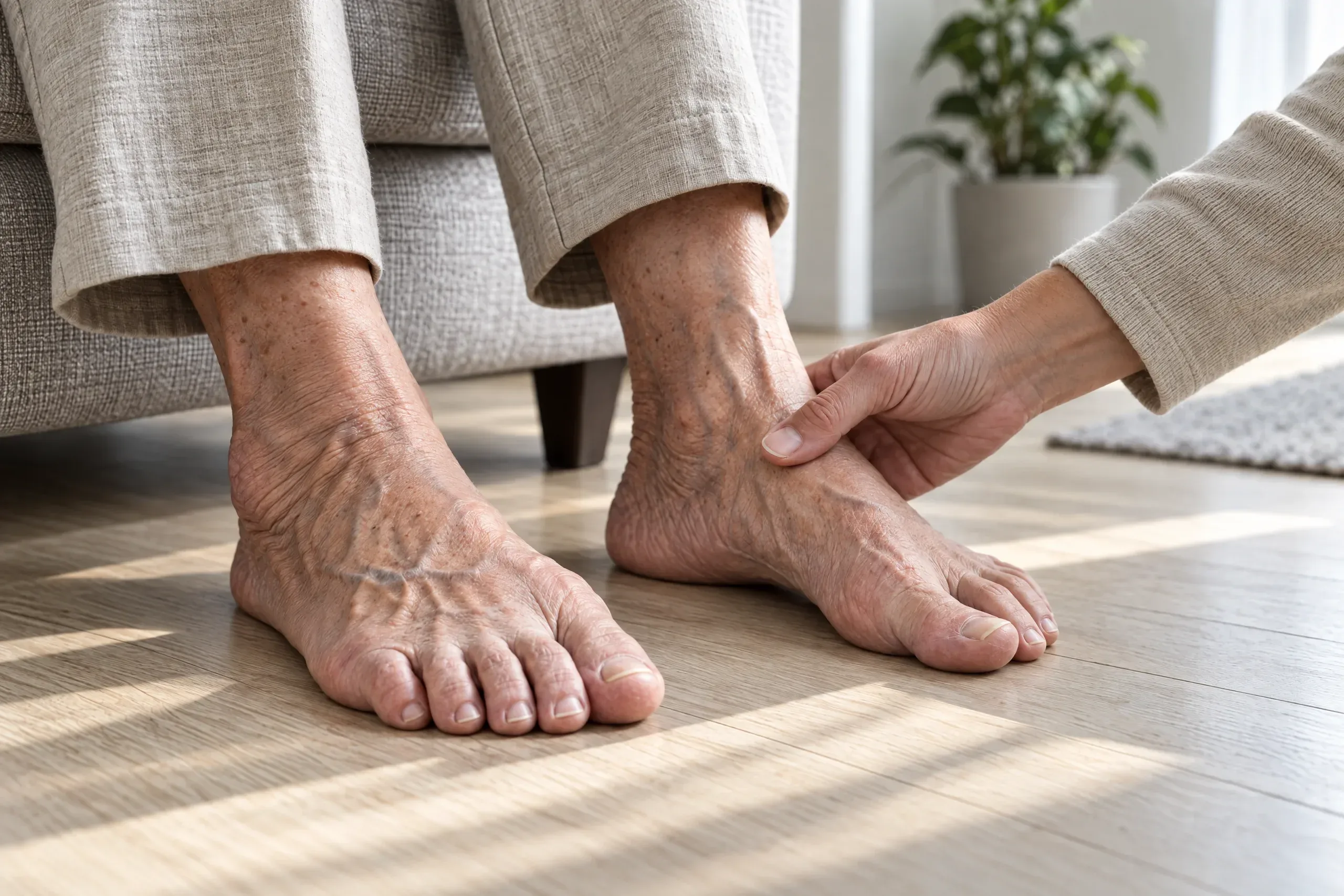
Living With Chronic Pain? How EMVITAL May Help Support Recovery
Emvital is a non-invasive infrared laser therapy that delivers therapeutic deep heat to support pain relief, circulation, and muscle relaxation. Learn how it works, what a session involves, who it suits, and where its limits are.
Emvital is a non-invasive infrared laser therapy that delivers controlled therapeutic heat deep into muscle and joint tissue to ease pain, stiffness, and muscle tension while supporting local circulation. At Camarillo Spine & Nerve Institute in Camarillo, CA, sessions are comfortable, require no downtime, and are used as one component of a broader rehabilitation plan rather than as a standalone cure. The aim is not only a lower pain score. It is restoring function, independence, and confidence.
Why Chronic Pain Deserves a Different Conversation
Chronic pain changes more than how you feel. It influences how you move, how you sleep, how active you remain, and how fully you participate in everyday life. For many people, the goal is not simply temporary pain relief. The goal is restoring function, independence, and confidence.
Pain that persists beyond normal tissue healing behaves differently from acute pain. The nervous system becomes more sensitive, movement patterns change to protect the painful area, muscles deconditioned by months of guarding become weaker, and sleep fragments. The National Institute of Neurological Disorders and Stroke describes chronic pain as a condition in its own right rather than a symptom that simply lingers. That is why a single modality is rarely enough, and why we talk about what you can do rather than only about what hurts.
What Is Emvital?
Emvital is a non-invasive laser therapy designed to support pain relief, circulation, and muscle relaxation. It uses a 1064 nm infrared wavelength, which penetrates well below the skin surface and is absorbed as heat by the tissue it reaches. The treatment delivers therapeutic energy to targeted tissues, raising local temperature in a controlled way, helping promote local blood flow, and supporting the body's natural healing processes.
The warming effect is the point rather than a side effect. Gently raising tissue temperature can help muscle relax, make tight tissue more extensible, and temporarily reduce the perception of pain in the treated area. Sessions are comfortable, require no downtime, and can be integrated into a broader rehabilitation or wellness program. Our page on laser therapy for pain with Emvital describes how we set the parameters for different regions and tissue depths.
What Kind of Laser Emvital Is
Not every device called a laser does the same thing, and the difference is not marketing. It is physics.
- Emvital is a thermal, functional laser. It works at 1064 nm in the near-infrared range and deliberately produces deep heat. It is used for muscular pain, joint discomfort, stiffness, and tension, where warming tissue and increasing local blood flow is the therapeutic goal.
In practice, deep heat is most useful for a stiff, aching, guarded muscle or a joint that hurts to move. Asking what a clinic means when it says "laser" is a fair question, and a clinic should be able to answer it without hedging.
Conditions That May Benefit From Emvital
Patients often explore Emvital for:
- Muscle tension and stiffness
- Joint discomfort
- Minor arthritis-related pain
- Soft tissue irritation
- General musculoskeletal discomfort
Because treatment is non-invasive, many patients appreciate the ability to continue normal daily activities immediately afterward. It is also commonly used for the persistent muscular component that accompanies a spinal problem: the guarded, ropey tissue around a painful segment that stays tight long after the original injury. Our overview of muscle and joint pain treatment in Camarillo, CA covers how we sort a muscular driver from a joint or nerve driver, and the MedlinePlus summary of joint disorders is a useful plain-language reference for the conditions involved.
What to Expect During an Emvital Session
You remain clothed except for the area being treated, which needs to be exposed so the beam reaches skin directly. You and the clinician wear protective eyewear for the duration, without exception. The handpiece is moved steadily over the treatment area rather than held still, which keeps the heating even and comfortable.
Most people describe a pleasant, deep warmth that builds gradually. It should never feel hot or sharp, and you should tell the clinician immediately if it does, because the settings are adjusted in response. Sessions are typically short, often in the range of several minutes to around twenty depending on the area and the goal, and there is no recovery period afterward. You can drive, work, and exercise the same day. Mild transient redness or warmth over the treated skin sometimes occurs and usually settles within an hour. Relief may be noticeable after a single session, but it is more often cumulative across a short series, and it works best when paired with movement while the tissue is warm.
Why Function Matters More Than Pain Scores
While reducing pain is important, our ultimate focus is function. The questions we ask are practical:
- Can you walk comfortably?
- Can you enjoy hobbies?
- Can you exercise with confidence?
- Can you sleep better?
- Can you participate fully in family life?
These are often the outcomes that matter most. A number on a zero to ten scale moves around with mood, sleep, and weather, and chasing it can send care in unhelpful directions. Function is steadier and more honest. Two patients reporting the same pain level may be living very different lives, and the one who has resumed walking, gardening, and sleeping through the night is the one who is genuinely improving. When a treatment reduces pain enough that movement becomes possible, the movement is what consolidates the gain.
Who Is and Is Not a Candidate for Laser Therapy
Good candidates are generally adults with persistent muscular or joint pain, stiffness, or tension where increasing local circulation and relaxing tissue is a reasonable goal, and who want a non-drug option that fits around ordinary life. It is often used alongside manual care and exercise rather than instead of them.
Therapeutic laser is not appropriate in every situation. We avoid or take specific precautions with:
- direct exposure to the eyes, which is why protective eyewear is mandatory for everyone in the room
- treatment over a known or suspected malignancy
- treatment over the abdomen or low back during pregnancy
- areas with impaired sensation, where you cannot reliably report that heat is becoming uncomfortable
- impaired circulation, active infection, open wounds, or recent bleeding in the treatment field
- photosensitizing medications, including some antibiotics, diuretics, and acne medications
- skin over an implanted electronic device such as a pacemaker or neurostimulator, and heating directly over metal hardware
- recent steroid injection in the area, fever, or an acutely inflamed and swollen joint where heat may aggravate symptoms
Tell our team about every medication, implant, and recent procedure before your first session. Pain that is severe, rapidly worsening, or accompanied by unexplained weight loss, fever, night pain that wakes you, numbness, weakness, or bladder or bowel changes needs a medical evaluation first. Those features point toward causes that laser therapy does not treat.
How Emvital Fits Into a Broader Care Plan
Emvital is rarely the whole plan, and we do not present it as one. In our practice it is usually a way to lower the pain and stiffness barrier so the rest of the work becomes possible. Warm, less guarded tissue tolerates manual care and movement better, which is why laser is often scheduled before or alongside other treatment rather than in isolation.
For patients whose symptoms trace back to the spine, the mechanical driver still has to be addressed. Our overview of non-surgical back pain care in Camarillo, CA explains that side of the evaluation. Alongside any of it, the unglamorous elements carry real weight: sleep, graded activity, load management, and not resting an aching body into further deconditioning. The National Center for Complementary and Integrative Health summarizes the evidence for non-drug approaches to pain and consistently points toward multimodal care rather than any single intervention.
Honest Limits: What Laser Therapy Will Not Do
Laser therapy treats tissue, not structure. It will not reverse arthritis, repair a torn tendon, decompress a nerve, restore a degenerated disc, or fix a joint that is mechanically restricted. Where those problems exist, laser may make the surrounding tissue more comfortable while leaving the underlying driver untouched, and comfort without a plan is a short-lived result.
The research base is also mixed. Studies on therapeutic laser vary widely in wavelength, dose, and technique, which makes results difficult to compare, and honest summaries describe the evidence as promising in some conditions rather than settled. Effects are often temporary, particularly early on, and patients who feel better for a day or two after each session are best served by using that window for movement. Responses vary between individuals, nobody can promise a specific outcome in advance, and if a short course produces no change at all, that is a signal to reconsider the diagnosis rather than to keep repeating the treatment. The MedlinePlus overview of chronic pain is a reasonable reality check on how variable recovery genuinely is.
Supporting Long-Term Wellness
At Camarillo Spine & Nerve Institute, we believe successful care goes beyond symptom management. Our approach focuses on helping patients move better, maintain strength, improve resilience, and preserve quality of life as they age. Emvital can be one component of that strategy, supporting recovery while helping patients return to the activities they value most.
That framing changes what progress looks like. Instead of asking whether the pain is gone, we ask whether you are walking farther, sleeping through more of the night, and doing the things you had quietly stopped doing. If pain or mobility limitations have been holding you back, our team can help determine whether this treatment may be an appropriate part of your personalized plan, and will say so plainly if it is not.
Frequently Asked Questions About Emvital Laser Therapy
Does Emvital laser therapy hurt?
No. Most patients describe a deep, pleasant warmth that builds gradually as the handpiece moves over the area. It should never feel hot, stinging, or sharp. Settings are adjusted immediately if it does, so speak up during the session. Mild redness or lingering warmth over the treated skin is occasionally noticed and usually settles within about an hour.
How many sessions will I need?
That depends on the area treated, how long symptoms have been present, and what else is in your plan. Some patients notice relief after one session, but benefit is more commonly cumulative across a short series scheduled over a few weeks. We reassess as we go, and if a short course produces no change we revisit the diagnosis rather than simply repeating the treatment.
Is there any downtime after treatment?
None. You can drive, return to work, run errands, and exercise the same day. In fact, gentle movement while the tissue is still warm is encouraged, because warmth alone does not create lasting change. The treatment is best understood as a window in which movement and manual care become easier, rather than as a passive fix on its own.
Who should not have laser therapy?
Laser is avoided over known or suspected cancer, over the abdomen and low back in pregnancy, on areas with impaired sensation or circulation, over active infection or open wounds, and over implanted electronic devices. Photosensitizing medications, fever, recent steroid injection, and acutely swollen joints also require caution. Protective eyewear is mandatory for everyone in the treatment room.
Can Emvital replace my pain medication?
That decision belongs to the physician who prescribed it. Never stop or adjust a prescription based on how you feel after a laser session. Some patients find that improved comfort and function allow their prescriber to revisit the plan over time, but that conversation happens with the prescribing clinician. We coordinate rather than override any medical management already in place.
Will laser therapy cure my arthritis?
No. Laser therapy treats tissue and symptoms, not joint structure, so it will not reverse arthritic change, repair cartilage, or alter degeneration seen on imaging. What it may do for some patients is reduce stiffness and discomfort enough that movement becomes easier, and maintaining movement is one of the more reliable ways to keep an arthritic joint functioning well.
Book Your Emvital Laser Therapy Consultation in Camarillo, CA
If persistent muscle or joint pain has been shaping what you do and what you skip, the useful next step is an evaluation of why it is there. Dr. Edmond Dooman and the team at Camarillo Spine & Nerve Institute assess the source before recommending a modality, and will tell you honestly whether deep tissue laser therapy in Camarillo, CA belongs in your plan or whether something else should come first. We care for patients from Camarillo, Thousand Oaks, Oxnard, Ventura, and across Ventura County. Contact our Camarillo, CA office to book a consultation.